A broken light in the stairwell, a door that doesn't close properly, leaves in front of the entrance and somewhere there's been […]

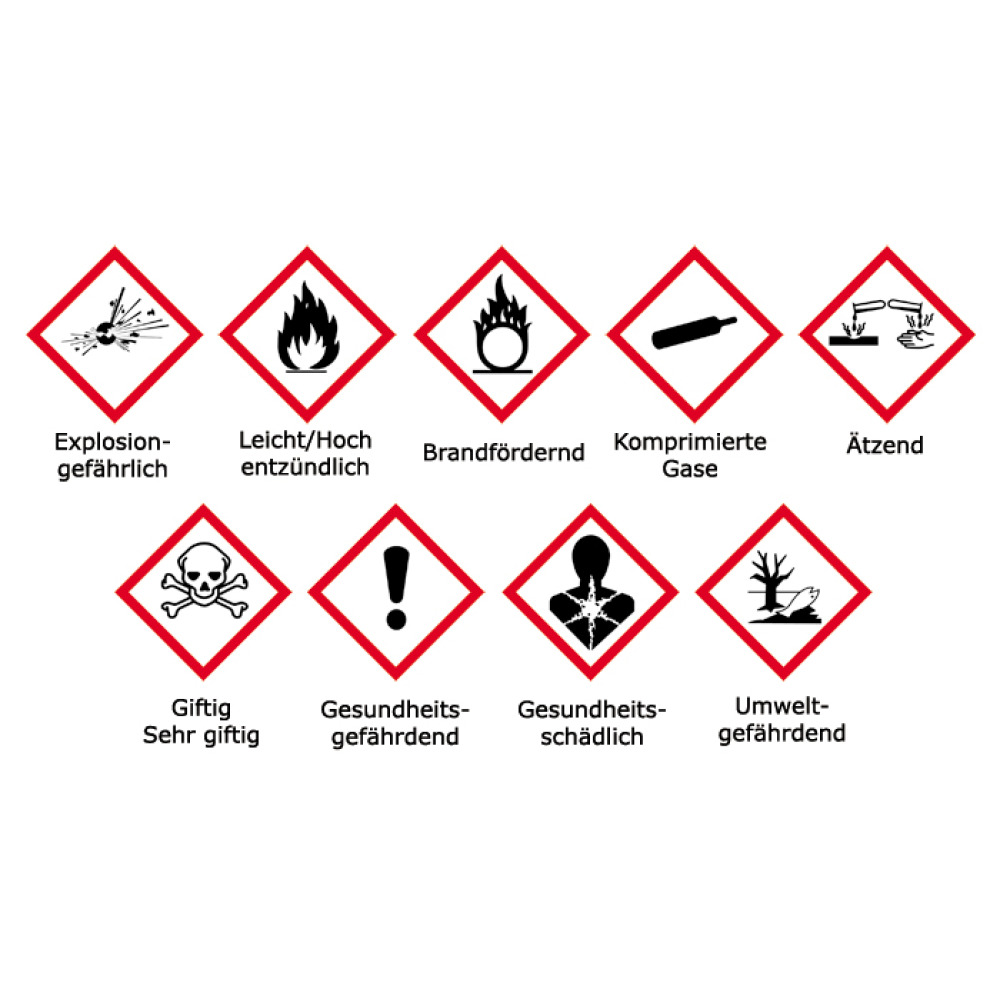
A chemical accident during cleaning may sound more dramatic than it might appear at first, but it should never be underestimated. What's crucial isn't heroism, but structure. Or, to put it another way: it's better to react cleanly than to hastily wipe.
Here is a clear, practical guide on how to proceed in the event of a chemical accident in a cleaning environment.
The most important step doesn't happen with the cloth, but with the feet:
It sounds trivial, but in practice it's often done too late.
Only when it is safe:
Why this matters: Not every „puddle“ can be treated the same. Some combinations (e.g. chlorine + acid) are chemically speaking rather bad ideas, in the sense of „dangerous to health“.
Without the correct PPE, a small accident can quickly become a big mistake.
Anyone who improvises here is saving money in the wrong place.
It's about control now:
Important: Not every chemical can simply be „aired out“. Solvents, for example, can disperse rather than disappear.
Rule of thumb: If you don't know what reacts, it's best to keep it separate.
Chemical residues do not belong in normal waste or drains.
Now comes the point where restraint is wise:
In Switzerland, the following applies:
A chemical accident is rarely a „coincidence“:
Whoever analyses the situation properly here prevents the next call-out.
Chemical accidents during cleaning are manageable, but only if action is taken in a clear, structured manner and without improvisation. Safety always takes precedence over productivity or „I'll just get it done quickly myself“.
This is exactly what Putzvogel GmbH stands for: professional cleaning doesn't just mean cleanliness, but also controlled, safe working with the right procedures and materials.
Or, in short: Cleanliness is good. Safety is non-negotiable.
A broken light in the stairwell, a door that doesn't close properly, leaves in front of the entrance and somewhere there's been […]
Clean is good. But sometimes clean alone isn't enough. Floors and surfaces are subjected to daily wear and tear: from shoes, moisture, dirt, cleaning agents [...]
The façade is greenish, grey or stained and the whole building suddenly looks a few years older. So, repaint? […]
Baden | Schlieren | Wettingen | Urdorf | Altstetten | Bremgarten | Berikon | Geroldswil | Oberengstringen