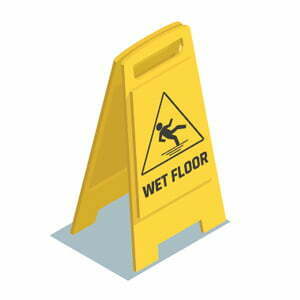
Chemical accident during cleaning: What to do (without panicking, but with a plan)
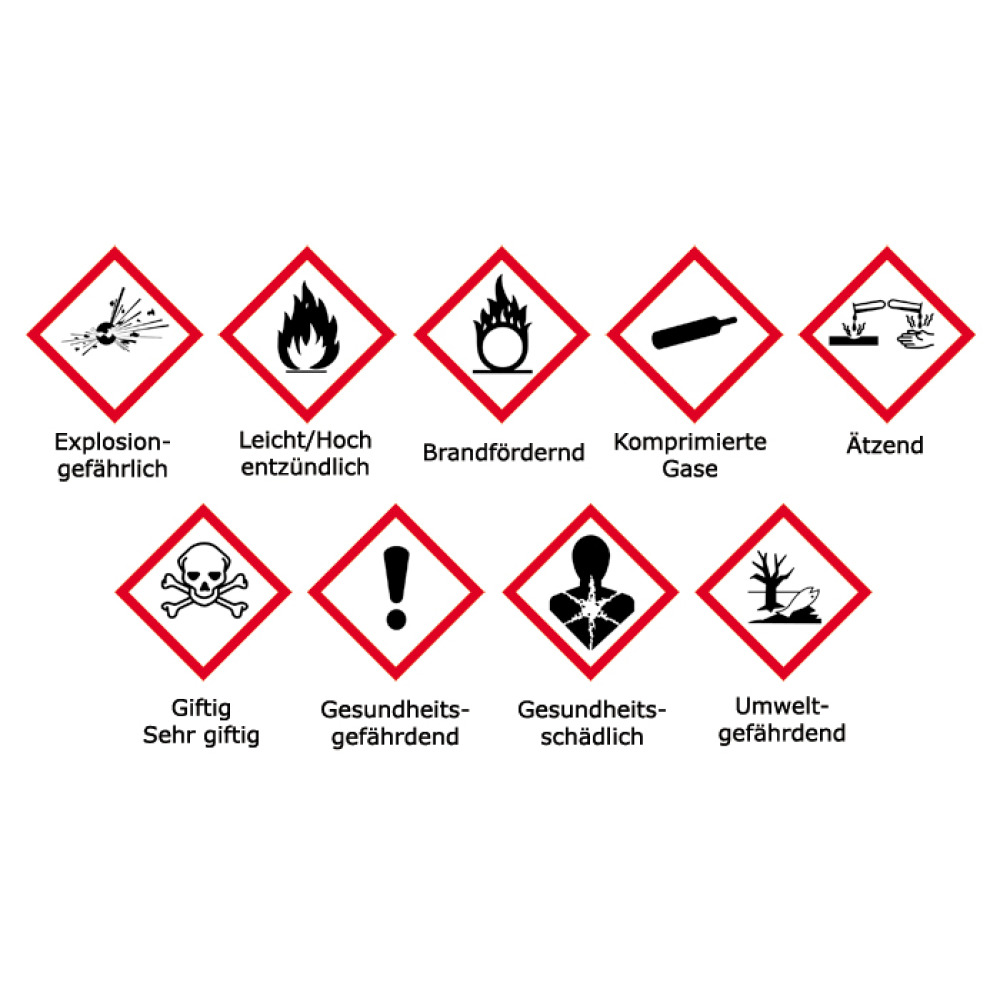
A chemical accident during cleaning may sound more dramatic than it might appear at first, but it should never be underestimated. What's crucial isn't heroism, but structure. Or, to put it another way: it's better to react cleanly than to hastily wipe.
Here is a clear, practical guide on how to proceed in the event of a chemical accident in a cleaning environment.
1. Safety first: people out, risk down
The most important step doesn't happen with the cloth, but with the feet:
- Leave the area immediately if fumes or irritation are detected
- Warn and keep others away
- Close doors to limit spread
- In case of heavy fumes: Do not re-enter the room unnecessarily
It sounds trivial, but in practice it's often done too late.
2. Identify substance (if safe to do so)
Only when it is safe:
- Check label
- Consult the Safety Data Sheet (SDS)
- Clarify product type: acid, base, solvent?
Why this matters: Not every „puddle“ can be treated the same. Some combinations (e.g. chlorine + acid) are chemically speaking rather bad ideas, in the sense of „dangerous to health“.
3. Personal Protective Equipment (PPE) to be worn
Without the correct PPE, a small accident can quickly become a big mistake.
- Chemical-resistant gloves
- Safety glasses or face shield
- Respiratory protection for vapours
- Suitable protective clothing
Anyone who improvises here is saving money in the wrong place.
4. Stop the spread
It's about control now:
- Secure the leak source (if safe to do so)
- Cover the drain
- Contain liquid (absorbents, barriers)
- Ventilate when the substance permits
Important: Not every chemical can simply be „aired out“. Solvents, for example, can disperse rather than disappear.
5. Recording and Cleaning – The Right Way
- Use a suitable binder (no kitchen roll bravery experiment)
- Dispose of captured material safely in chemical containers
- Clean the surface according to the manufacturer's instructions.
- Do not mix different cleaning agents.
Rule of thumb: If you don't know what reacts, it's best to keep it separate.
6. Disposal in accordance with regulations
Chemical residues do not belong in normal waste or drains.
- In accordance with local regulations, dispose
- Observe the safety data sheet.
- When in doubt, commission specialist disposal.
7. When to call in professionals
Now comes the point where restraint is wise:
- unknown or highly corrosive substances
- large quantities leaked
- Respiratory irritation or health symptoms
- Danger to drains or environment
In Switzerland, the following applies:
- Fire Brigade: 118
- Poisoning emergency (Tox Info Suisse): 145
8. Follow-up: Eliminating causes, not just stains
A chemical accident is rarely a „coincidence“:
- Check storage
- Check label
- Staff training
- Adapt work processes
Whoever analyses the situation properly here prevents the next call-out.
Conclusion: Calm beats haste
Chemical accidents during cleaning are manageable, but only if action is taken in a clear, structured manner and without improvisation. Safety always takes precedence over productivity or „I'll just get it done quickly myself“.
This is exactly what Putzvogel GmbH stands for: professional cleaning doesn't just mean cleanliness, but also controlled, safe working with the right procedures and materials.
Or, in short: Cleanliness is good. Safety is non-negotiable.
Further contributions:
 November 26, 2026
Cleaned cheaply, paid dearly – why cheap cleaning can end up costing you a lot
A clean surface is quickly promised. But professional cleaning involves much more than simply removing visible dirt. Anyone who wants to achieve a lasting result must […]
 23 September 2026
What is involved in professional property maintenance?
A broken light in the stairwell, a door that doesn't close properly, leaves in front of the entrance and somewhere there's been […]
 23 September 2026
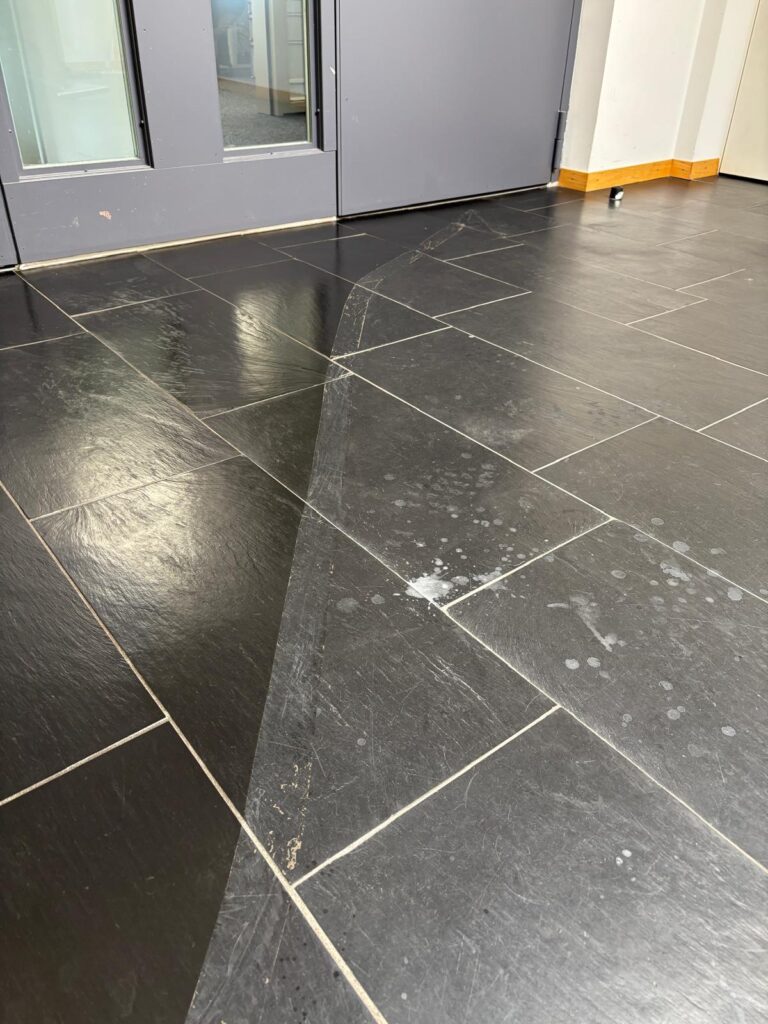
Cleaning is not always enough: When floors and surfaces need a protective treatment
Clean is good. But sometimes clean alone isn't enough. Floors and surfaces are subjected to daily wear and tear: from shoes, moisture, dirt, cleaning agents [...]