Why wearing gloves is so important
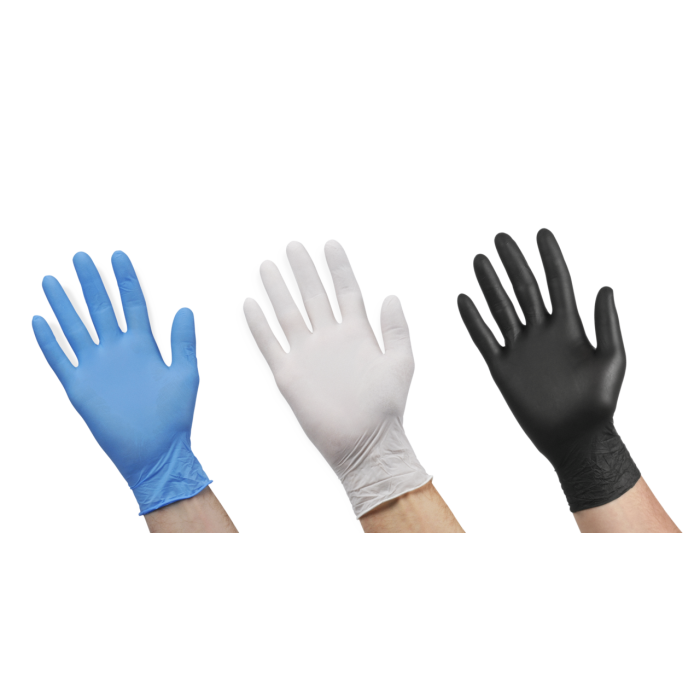
Gloves may seem unremarkable at first glance. A piece of latex, nitrile or vinyl, nothing more. In practice, however, they are one of the simplest and at the same time most effective protective measures in everyday cleaning. Those who forgo them might save a few seconds putting them on, but risk far more than just dry hands.
1. Protection from chemicals – skin is not a shield
Cleaning agents are designed to break down dirt, grease, and germs. This is precisely what they do, unfortunately not just on surfaces, but also on the skin.
Many cleaning products contain:
- Surfactant
- Acids or alkalis
- Disinfectant active ingredients
These substances can attack the skin barrier. The consequences range from dry skin and irritation to chronic eczema. Particularly critical: damage often occurs gradually and is only taken seriously when it's already too late.
Gloves aren't an option here, but simply a barrier between skin and chemicals.
2. Hygiene: No chance for germs
Cleaning isn't just about visible dirt, but also invisible adversaries: bacteria, viruses, and fungi.
Without gloves, this happens quickly:
- Germs are transferred from one surface to another
- Cross-contamination occurs (e.g., bathroom → kitchen)
- Hands become a «transit station» for microorganisms themselves
This is a no-go, particularly in sensitive areas such as bathrooms or kitchens. Gloves massively reduce this risk, provided they are changed correctly.
3. Safety in everyday life: Small injuries, big impact
A piece of paper is quickly cut, a hidden splinter is quickly caught. What sounds banal is everyday work in cleaning.
Gloves protect against:
- Lacerations
- small stitches
- hot water or steam
- unknown residues on surfaces
That doesn't sound spectacular, but it's precisely these small injuries that are often the gateway for infections.
4. Professional Appearance: Details Matter
Those who clean professionally demonstrate it not only through their results but also through their presentation. Gloves are part of the basic equipment, similar to clean clothing or a well-maintained vehicle in the service area.
You signal:
- Hygiene is taken seriously
- Work is controlled and consciously carried out
- Protecting employees and customers is a priority
In short: Gloves are a silent but clear mark of quality.
5. The right glove makes all the difference
Not every glove is suitable for every task. A brief overview:
- NitrileVery robust, chemical-resistant, ideal for cleaning work
- LatexFlexible, but not suitable for allergy sufferers
- Vinylcheap, but less resistant
It's not just the material that's important, but also the correct change: one glove, one task. Then change or dispose.
Conclusion
Gloves are not a detail, they are a central component of professional cleaning. They protect the skin, prevent the spread of germs, and significantly increase safety in everyday work.
Or, to put it more directly: anyone who cleans without gloves isn't working harder, just riskier.
Further contributions:
 November 26, 2026
Cleaned cheaply, paid dearly – why cheap cleaning can end up costing you a lot
A clean surface is quickly promised. But professional cleaning involves much more than simply removing visible dirt. Anyone who wants to achieve a lasting result must […]
 23 September 2026
What is involved in professional property maintenance?
A broken light in the stairwell, a door that doesn't close properly, leaves in front of the entrance and somewhere there's been […]
 23 September 2026
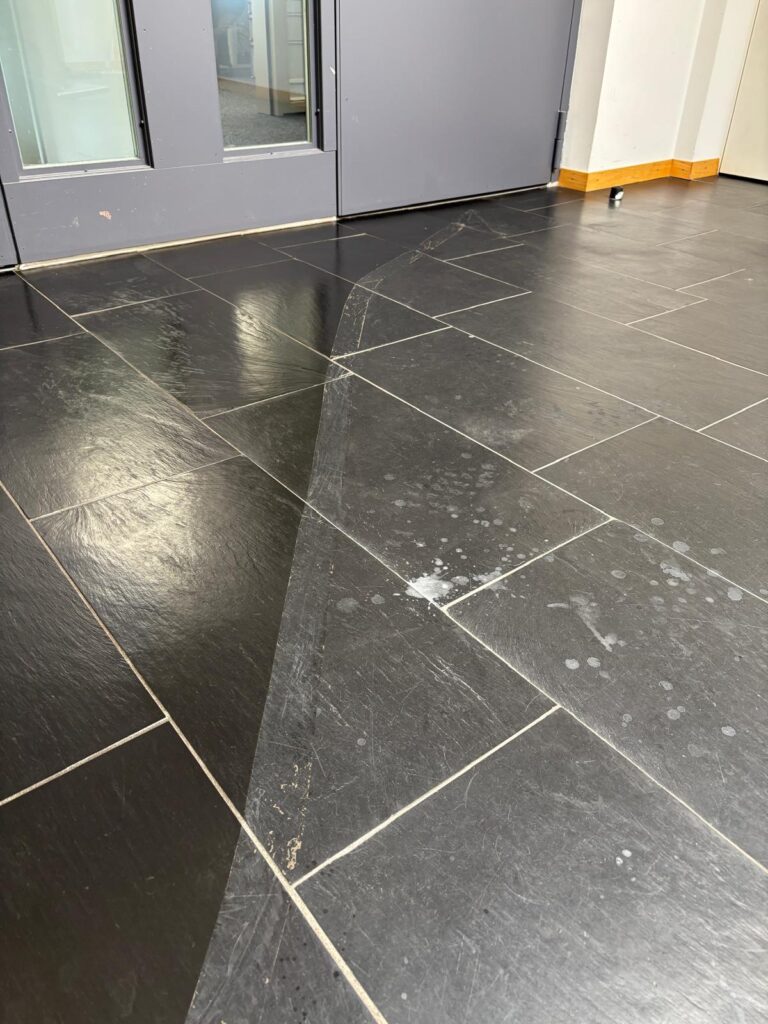
Cleaning is not always enough: When floors and surfaces need a protective treatment
Clean is good. But sometimes clean alone isn't enough. Floors and surfaces are subjected to daily wear and tear: from shoes, moisture, dirt, cleaning agents [...]